Cameron Berger · 1 November 2026
Algorithmic Refinements in Specialized Data Tools and Their Influence on Retail Traffic Cycles
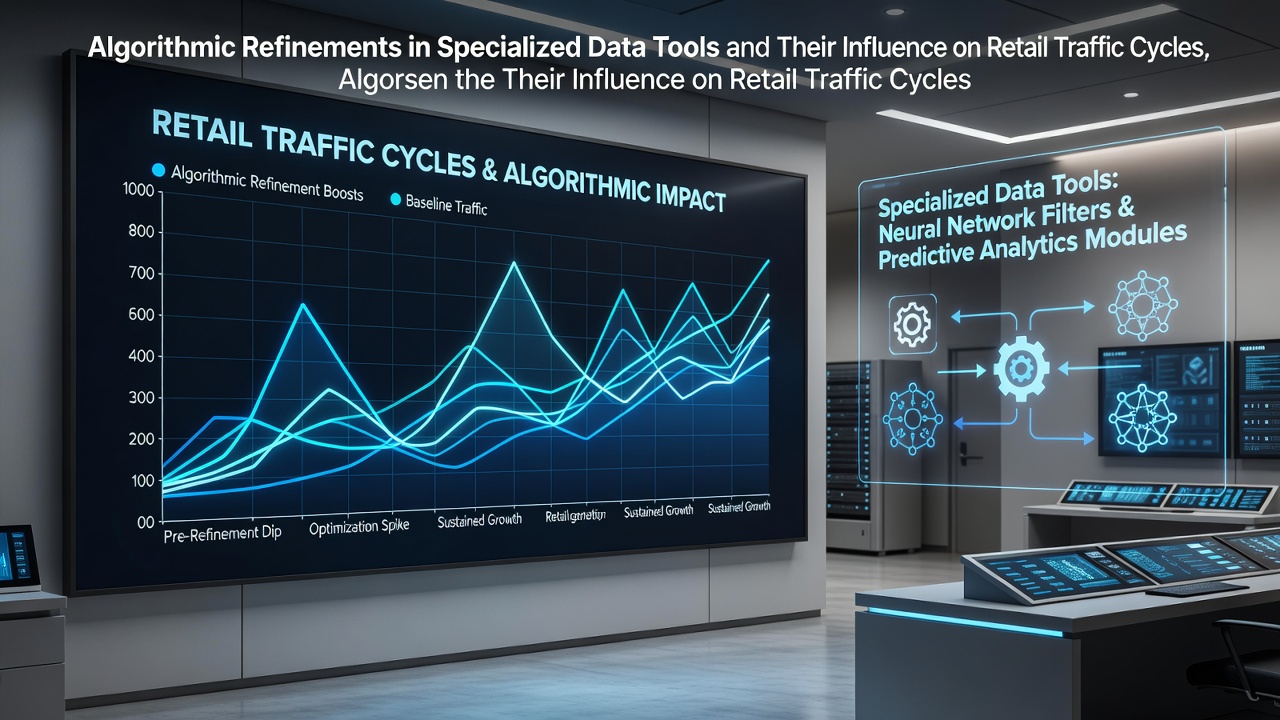
Specialized data tools in retail environments have undergone successive layers of algorithmic refinement over the past decade, and these adjustments directly shape the timing, volume, and distribution of customer traffic across both physical stores and digital platforms. Retailers rely on predictive models that process point-of-sale records, footfall sensors, and online session logs to forecast demand windows, and each refinement in clustering techniques or time-series decomposition alters how those forecasts translate into promotional calendars and staffing schedules.
Core Components of Algorithmic Updates
Modern retail analytics platforms incorporate gradient-boosted decision trees alongside recurrent neural networks that capture sequential dependencies in transaction histories, while older rule-based systems gave way to these hybrid architectures because the latter handle irregular seasonal spikes with lower error rates. Data shows that refinements in feature engineering, such as the inclusion of weather variables and local event calendars, have improved forecast accuracy by measurable margins according to industry benchmarks released by the National Retail Federation. These gains allow planners to shift inventory replenishment and marketing pushes to align more precisely with emerging traffic peaks rather than relying on fixed weekly cycles.
Integration with Real-Time Data Streams
Specialized tools now ingest continuous feeds from mobile location services and loyalty program interactions, and this integration permits dynamic reweighting of traffic predictions throughout the day. Observers note that when an algorithm detects an unexpected surge in nearby mobile pings, it can trigger immediate adjustments to digital advertising bids or in-store staffing levels within the same operational cycle. Such responsiveness compresses traditional lag periods between signal detection and response, thereby tightening the feedback loop that governs retail traffic patterns.
Researchers at the Australian Bureau of Statistics have documented how these tighter loops influence aggregate retail metrics, particularly in sectors that experience pronounced weekly or monthly oscillations. Their reports indicate that stores employing continuously updated models recorded more stable visitor distributions across weekdays compared with those using static weekly averages.
Observed Shifts in Traffic Cycle Timing
Traffic cycles in retail traditionally followed broad calendar rhythms tied to paydays, holidays, and school schedules, yet algorithmic refinements have introduced finer granularity. Models that segment customers by micro-cohorts now identify sub-weekly patterns, such as elevated evening visits among remote workers or mid-morning lulls among shift-based employees. When these segments receive targeted offers timed to their specific availability, the resulting traffic redistributes across previously quieter intervals, flattening some peaks while elevating others.
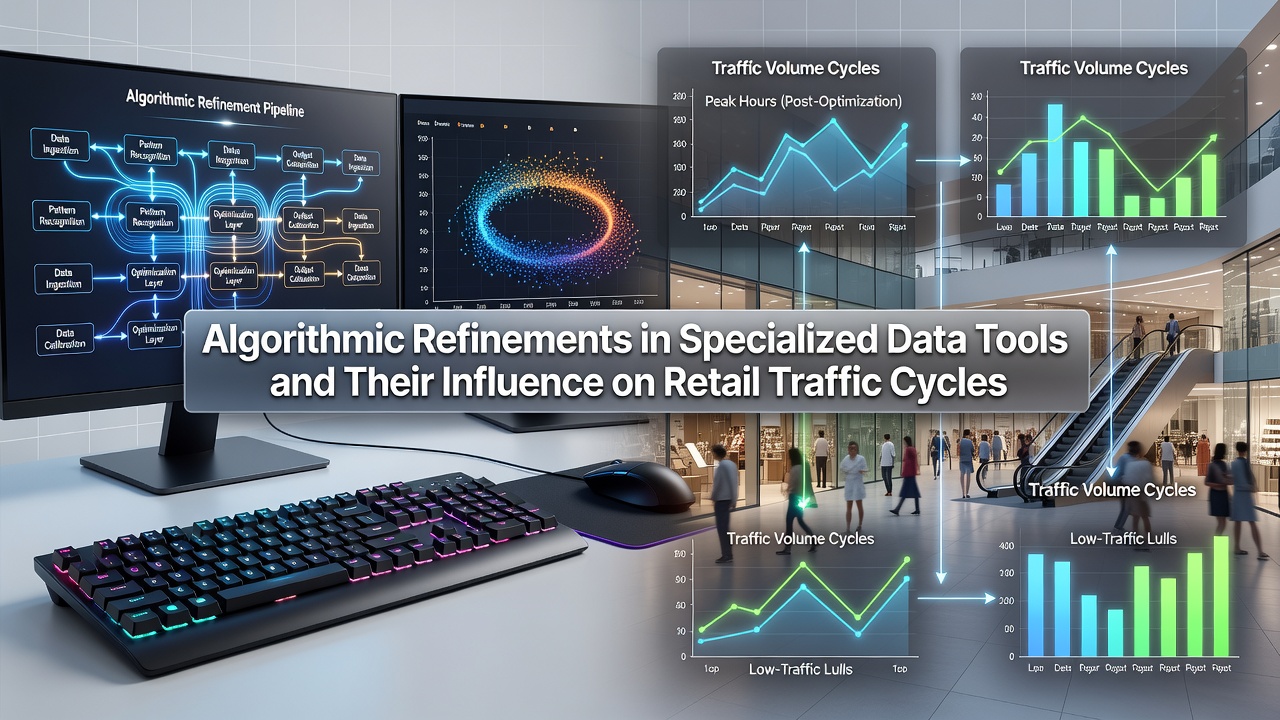
Evidence from European retail datasets compiled by Eurostat reveals that chains adopting these segmented approaches experienced measurable changes in hourly visitor distributions between 2024 and 2026. The data further indicates that November 2026 holiday preparations amplified these effects, as refined models optimized Black Friday promotions across multiple time zones and device types simultaneously.
Geographic and Channel Variations
Urban locations with dense public transit networks show different responses to algorithmic timing adjustments than suburban sites dependent on private vehicle access. Tools that incorporate transit schedule APIs alongside weather data produce traffic forecasts that account for these infrastructure differences, and the resulting promotional timing diverges accordingly. Online channels, meanwhile, exhibit traffic cycles that respond more rapidly to algorithmic bidding changes because digital ad platforms operate on continuous auction cycles rather than fixed broadcast windows.
One study released by Statistics Canada tracked cross-channel substitution effects after several major retailers updated their demand-forecasting engines. The figures revealed that some physical store traffic migrated to online sessions during traditionally slow afternoon periods once mobile push notifications were synchronized with real-time inventory signals.
Feedback Mechanisms and Long-Term Adjustments
Algorithmic refinements rarely remain static once deployed. Retail data teams routinely retrain models on fresh transaction batches, and each retraining cycle can shift the weighting of variables that drive traffic predictions. When external shocks such as fuel price volatility or regional labor disruptions occur, the updated models rebalance their outputs, which in turn modifies the timing of marketing campaigns and therefore the shape of ensuing traffic cycles.
Those who monitor these systems over multiple quarters report that cumulative small adjustments often produce noticeable deviations from baseline seasonal patterns by the end of a fiscal year. The process resembles iterative calibration rather than wholesale replacement of prior logic, allowing retailers to maintain continuity while incorporating new signals.
Conclusion
Algorithmic refinements in specialized retail data tools continue to recalibrate the temporal structure of customer traffic cycles through improved segmentation, real-time responsiveness, and cross-channel coordination. Government statistical agencies across multiple regions have recorded measurable redistributions in visit timing and volume following widespread adoption of these updated models, particularly during high-intensity periods such as November 2026. The ongoing cycle of model retraining ensures that traffic patterns remain subject to incremental evolution as new data sources and processing techniques enter operational use.