Amir Simon · 15 November 2026
Precision Data Handling Methods in Agricultural Monitoring Systems for Real-Time Farm Decisions
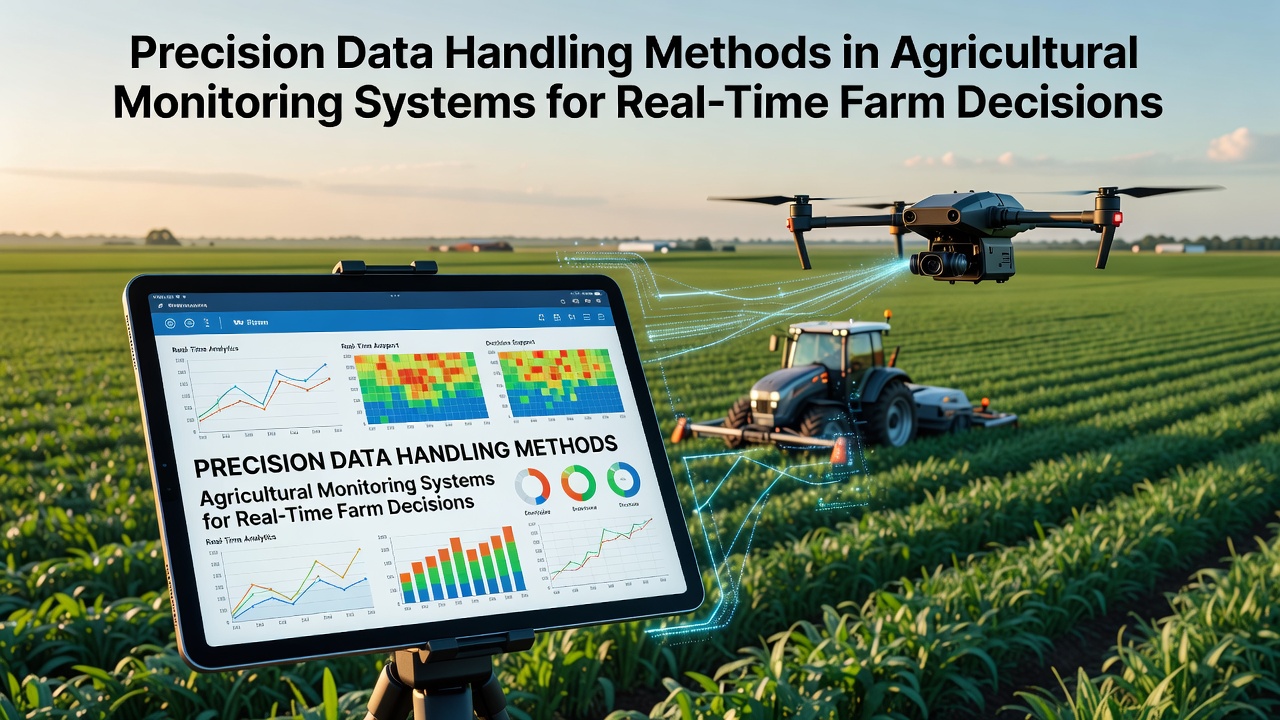
Precision data handling methods form the backbone of modern agricultural monitoring systems that support real-time farm decisions, and these approaches integrate sensor networks, edge processing units, and centralized databases to manage information flows from soil probes, weather stations, and satellite feeds. Farmers rely on structured protocols that filter raw inputs at collection points before transmitting refined datasets to decision platforms, and this reduces latency while maintaining accuracy across variable field conditions.
Data Collection and Initial Processing Layers
Systems begin with distributed sensor arrays that capture metrics on moisture levels, nutrient concentrations, and pest activity at intervals ranging from seconds to hours, while onboard microcontrollers apply initial calibration algorithms to correct for environmental drift. In regions like the Midwest United States, operations often combine ground-based IoT devices with drone imagery captured during scheduled flights, and data streams merge through standardized formats such as JSON or CSV that allow seamless integration across software tools.
November 2026 saw the rollout of enhanced firmware updates from several equipment manufacturers that improved compression routines for high-volume image files, enabling faster uploads even on rural networks with limited bandwidth. Observers note that these adjustments addressed common bottlenecks where large multispectral datasets previously overwhelmed transmission channels during peak growing seasons.
Edge Computing and Real-Time Filtering Techniques
Edge devices positioned directly in fields perform preliminary analysis using lightweight machine learning models trained on historical crop response patterns, and this local computation flags anomalies like sudden temperature spikes or irregular growth zones without waiting for cloud round-trips. Such methods cut response times to under five seconds for irrigation triggers, according to field trials conducted by agricultural research stations in Canada.
Researchers have documented how rule-based filters discard redundant readings while preserving outliers that indicate emerging issues such as fungal outbreaks or equipment malfunctions. The process typically involves threshold checks followed by statistical validation steps that compare current values against rolling averages derived from the prior seven to fourteen days of data.
Integration with Decision Support Platforms
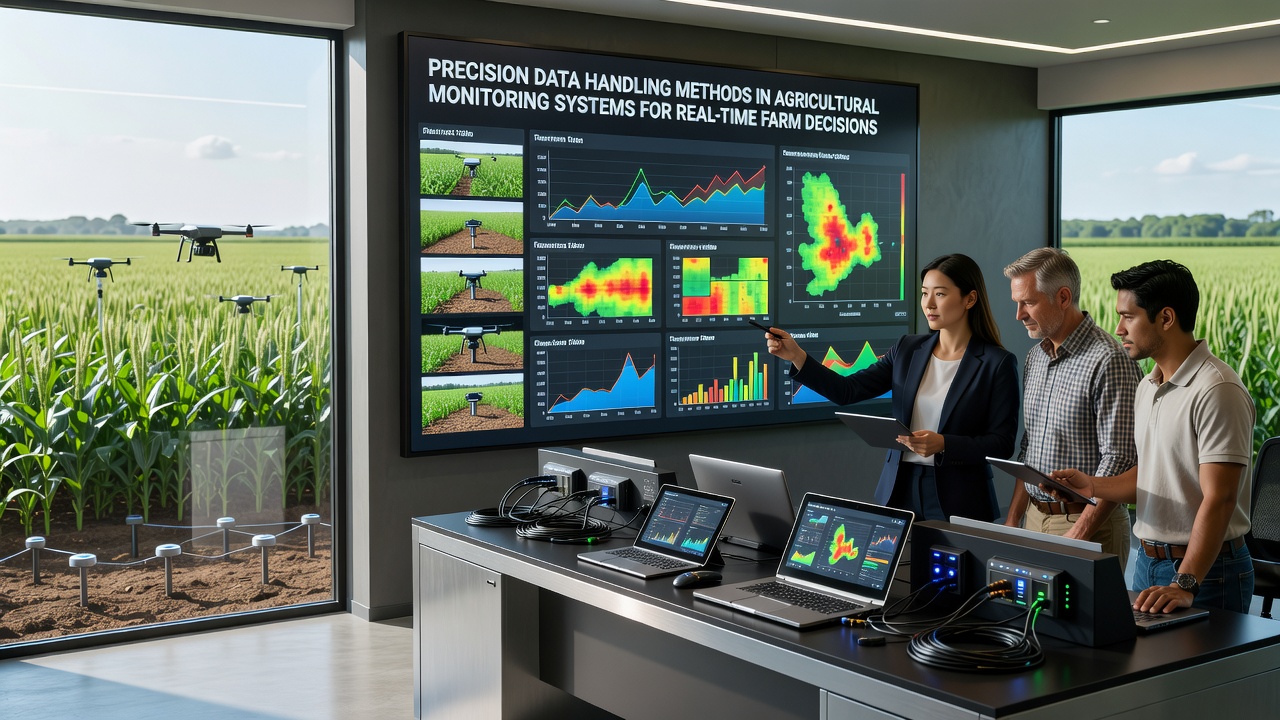
Processed outputs feed into centralized dashboards that overlay multiple data layers including soil maps, yield projections, and market price feeds, allowing operators to adjust variable-rate applications for seeds, fertilizers, or water on the fly. Australian agricultural agencies have reported that farms adopting these layered approaches achieved measurable reductions in input costs through targeted interventions rather than uniform field treatments.
Communication protocols such as MQTT and CoAP ensure reliable packet delivery even when connections fluctuate, and redundant storage on both local servers and regional clouds guards against data loss during outages. One study from the European Commission's Joint Research Centre tracked how synchronized timestamping across devices prevented misalignment errors that could otherwise distort spatial analysis during harvest planning.
Security Protocols and Data Governance Standards
Encryption standards applied at the sensor level protect transmission channels from interception, while access controls limit dashboard permissions to authorized personnel through role-based authentication systems. Government bodies in the European Union have established guidelines that require anonymization of farm-specific identifiers before datasets enter shared research repositories, and compliance audits verify adherence during annual reviews.
Backup strategies incorporate both incremental snapshots and full archives stored across geographically dispersed facilities, ensuring continuity when primary nodes experience disruptions from weather events or power fluctuations. Data validation routines run periodic consistency checks that reconcile incoming streams against expected ranges based on crop type and regional norms.
Case Applications in Variable Field Conditions
Take operations managing large-scale row crops where real-time nitrogen mapping directs side-dress applications only to deficient zones identified through chlorophyll sensors mounted on sprayers. Similar setups in vineyard regions use moisture tension data to schedule drip irrigation cycles that maintain optimal berry development without excess water use, and reports from South American cooperatives indicate consistent improvements in uniformity metrics across monitored blocks.
Those who've implemented full-stack systems often discover that combining historical yield records with live sensor feeds refines predictive models for disease pressure, allowing preemptive treatments before visible symptoms spread. Integration challenges arise when legacy equipment lacks compatible output formats, yet middleware adapters have bridged many of these gaps in recent deployments.
Conclusion
Precision data handling methods continue to evolve through iterative refinements in sensor technology, processing algorithms, and interoperability standards that support timely agricultural decisions. Ongoing developments from institutions across multiple continents demonstrate measurable impacts on resource efficiency when these techniques operate at scale, and continued investment in infrastructure promises further gains in monitoring resolution and response speed for diverse cropping systems.