Amir Simon · 20 September 2026
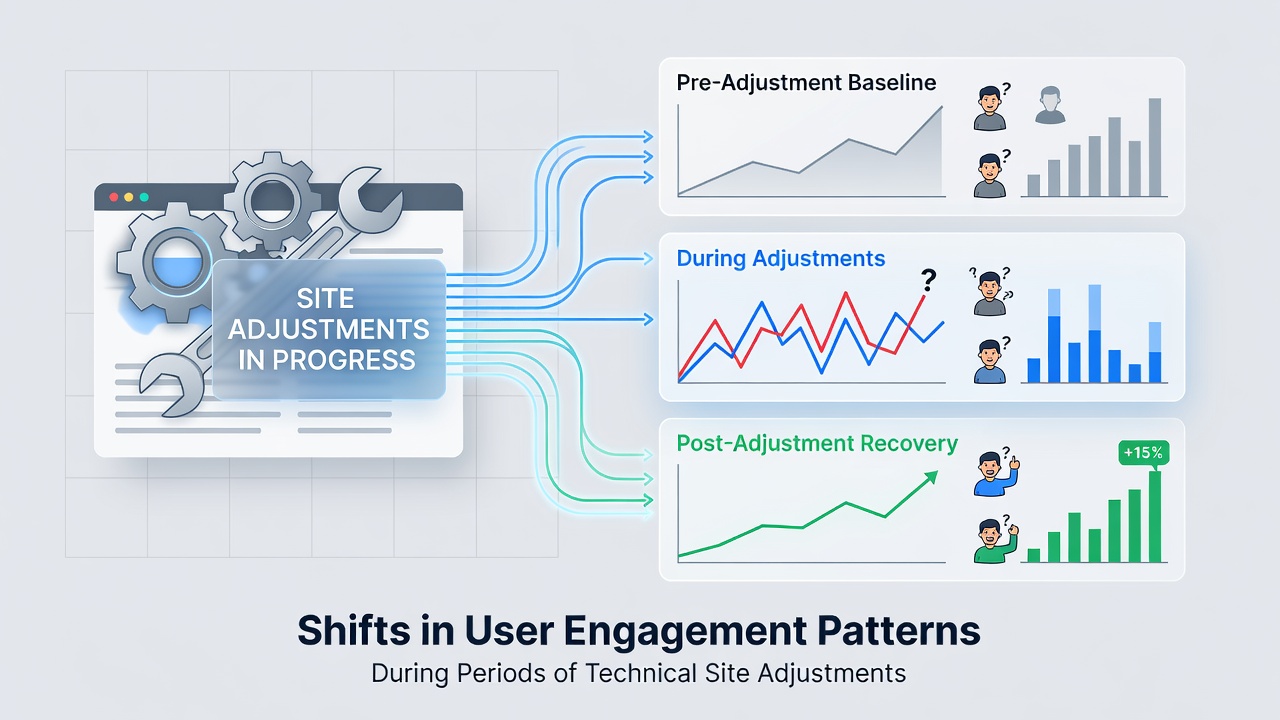
Shifts in User Engagement Patterns During Periods of Technical Site Adjustments
Technical site adjustments such as server migrations, content management system upgrades, and performance optimizations frequently coincide with measurable changes in user engagement metrics, and analysts track these shifts through tools that capture bounce rates, session durations, and page view counts. Data from multiple industries reveals that even brief periods of slower load times or altered navigation structures can redirect visitor behavior in predictable ways, while longer adjustments tend to compound those effects across different user segments.
Common Types of Adjustments and Their Immediate Effects
Site operators implement various technical changes throughout the year, and these range from backend infrastructure updates to frontend interface refinements that alter how pages render on different devices. When a content delivery network reconfiguration takes place, for instance, users in certain geographic regions may experience temporary delays that lead to elevated exit rates on entry pages, whereas security protocol enhancements can introduce additional authentication steps that reduce the number of completed form submissions. Observers note that these adjustments often cluster around scheduled maintenance windows, yet unplanned issues such as compatibility conflicts between new plugins and existing codebases extend the duration of disrupted access.
September 2026 saw several large-scale retail platforms roll out simultaneous database indexing improvements ahead of holiday traffic surges, and logs from those periods indicated a consistent drop in repeat visits during the first 48 hours following each deployment. Engagement recovered more quickly on sites that maintained parallel testing environments, allowing teams to identify friction points before full rollout.
Metric Patterns Across Different Adjustment Phases
Studies of web analytics datasets show that bounce rates typically rise within the first hour of a visible adjustment and then stabilize at elevated levels until core functionality returns to baseline speeds. Session duration often contracts during this window because users abandon pages before secondary content elements fully load, and click-through rates on internal links decline as navigation menus shift position or labeling conventions change. Researchers tracking mobile versus desktop cohorts find that mobile users exhibit sharper drops in pages-per-session, largely because responsive layouts sometimes reflow unexpectedly after stylesheet updates.
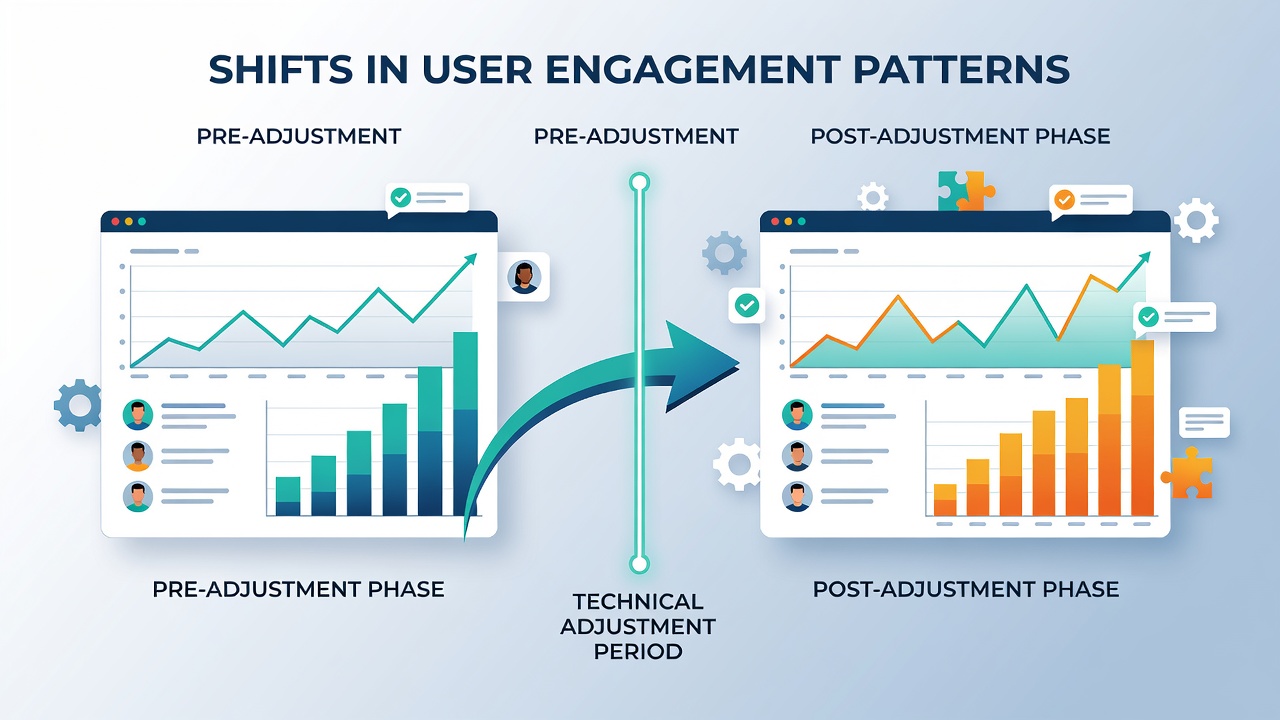
One analysis of e-commerce transaction logs revealed that cart abandonment increased by measurable percentages when checkout processes encountered even minor API latency spikes, while informational sites recorded higher scroll depth on pages that retained familiar visual hierarchy despite underlying code changes. These divergent outcomes highlight how the nature of the adjustment interacts with the primary purpose of the site itself.
Factors That Shape the Extent of Engagement Shifts
User familiarity with a site plays a significant role in how quickly engagement metrics return to prior levels, and repeat visitors who have bookmarked specific URLs demonstrate greater tolerance for temporary interface inconsistencies than first-time arrivals arriving through search referrals. Network conditions in different regions further modulate the impact, since users on slower connections encounter more pronounced delays when large asset files are introduced during a redesign. Industry reports compiled by organizations such as Pew Research Center document that demographic variables including age and device preference correlate with varying sensitivity to loading delays, whereas data aggregated by Eurostat across European Union member states shows seasonal spikes in adjustment-related disruptions during back-to-school periods when educational platforms undergo annual refreshes.
Recovery trajectories also depend on the communication strategies employed by site operators, with proactive status page updates helping to retain a portion of users who would otherwise navigate away permanently. Those who studied longitudinal datasets note that sites providing estimated restoration times see modestly higher return rates once functionality normalizes.
Conclusion
Patterns observed during technical adjustments demonstrate that user engagement responds dynamically to even incremental changes in site performance and structure, and continued monitoring of these metrics allows operators to anticipate and mitigate longer-term effects. As platforms continue to evolve their underlying systems, the relationships between adjustment timing, user segments, and recovery speed remain central to maintaining stable interaction levels across visitor cohorts.